Detail in Every Print. Accuracy in Every Press
Every product brands differently. Here's what's available, and how to pick.
The method decides more than how it looks. It changes the lead time, the price per unit, and how long the branding survives.
A polo, a powder-coated drink bottle and a pull-up banner are three different problems, so they take three different sets of methods. Most suppliers won't tell you which one you need until you've filled in a form.
- Apparel & uniforms6 methods
- DTF, embroidery, heat transfer vinyl, UltraColour™, sublimation and screen printed transfers. Done in-house at Fyshwick.
- Promotional products23 methods
- Pad print, laser engraving, debossing, foil, doming and more. What applies depends on the product.
- Print & signage4 methods
- Full-colour digital, specialty finishes, large format and cut vinyl.
Find the right method
Pick what you're branding. Availability still depends on the specific product, and we'll confirm which options it takes when we quote it.
What are you branding?
33 methods
 Apparel
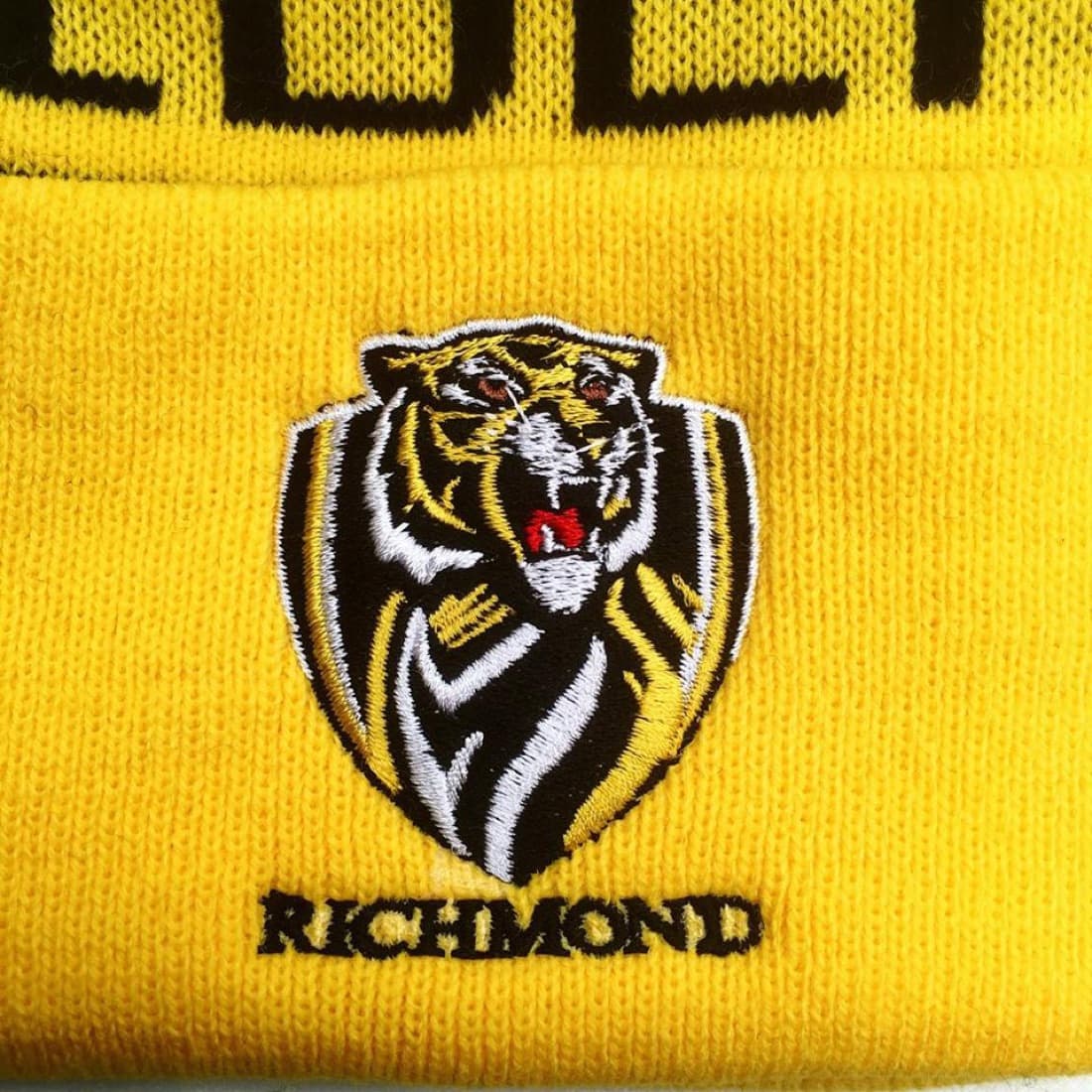
Embroidery
Stitched directly into the garment. It survives commercial laundering, it doesn't crack, and it reads as a uniform rather than merch.
Best for
Uniforms, polos and caps. Anything washed hard, for years
The detail
Advantages
- Outlasts the garment it's stitched into
- The most premium finish available on fabric
- Your logo is digitised once and every reorder runs from the same file
- Twenty-five years of it, on eight machines, in our own building
Limitations
- Gradients can't be stitched, they have to be simplified
- Very small text and hairline detail fills in or drops out
- Colours match to the closest available thread, not to Pantone
DTF (direct to film)
The method behind almost all of our garment printing. Your design is printed onto film and transferred under heat: no colour limit, no per-colour setup, and it works across a wide range of fabrics.
Best for
Almost everything. Full colour, fine detail, any run size
The detail
Advantages
- Handles photographic and multi-colour artwork without a colour limit
- One setup regardless of how many colours are in the design
- Works across a wide range of fabric types
- No run size it doesn't suit, from a handful to a full team
Limitations
- Less economical for very large solid-colour areas at high volume
UltraColour™
The most durable transfer we offer. Tested beyond fifty washes at 60°C, which is the temperature most garment prints don't survive. DTF covers the vast majority of work; this is the step up when a garment is going to be laundered commercially for years.
Best for
Uniforms facing commercial or industrial laundering
The detail
Advantages
- Rated to 60°C, so it holds up to commercial and industrial laundering
- Sharp enough for fine detail, broad enough for full-colour artwork
- No per-colour setup
Limitations
- Not available through most suppliers in Australia
- Worth the step up for hard-laundered uniforms; for most jobs DTF is the answer
Heat transfer vinyl
Vinyl is cut, weeded and pressed. Fast, and the standard way to do individual names and numbers.
Best for
Names, numbers and bold single-colour marks
The detail
Advantages
- The quickest route for a bold single-colour mark
- The standard method for individual names and numbers
Limitations
- Not for photographic artwork or gradients
- The design is physically cut, so artwork must be vector
 Apparel
Sublimation
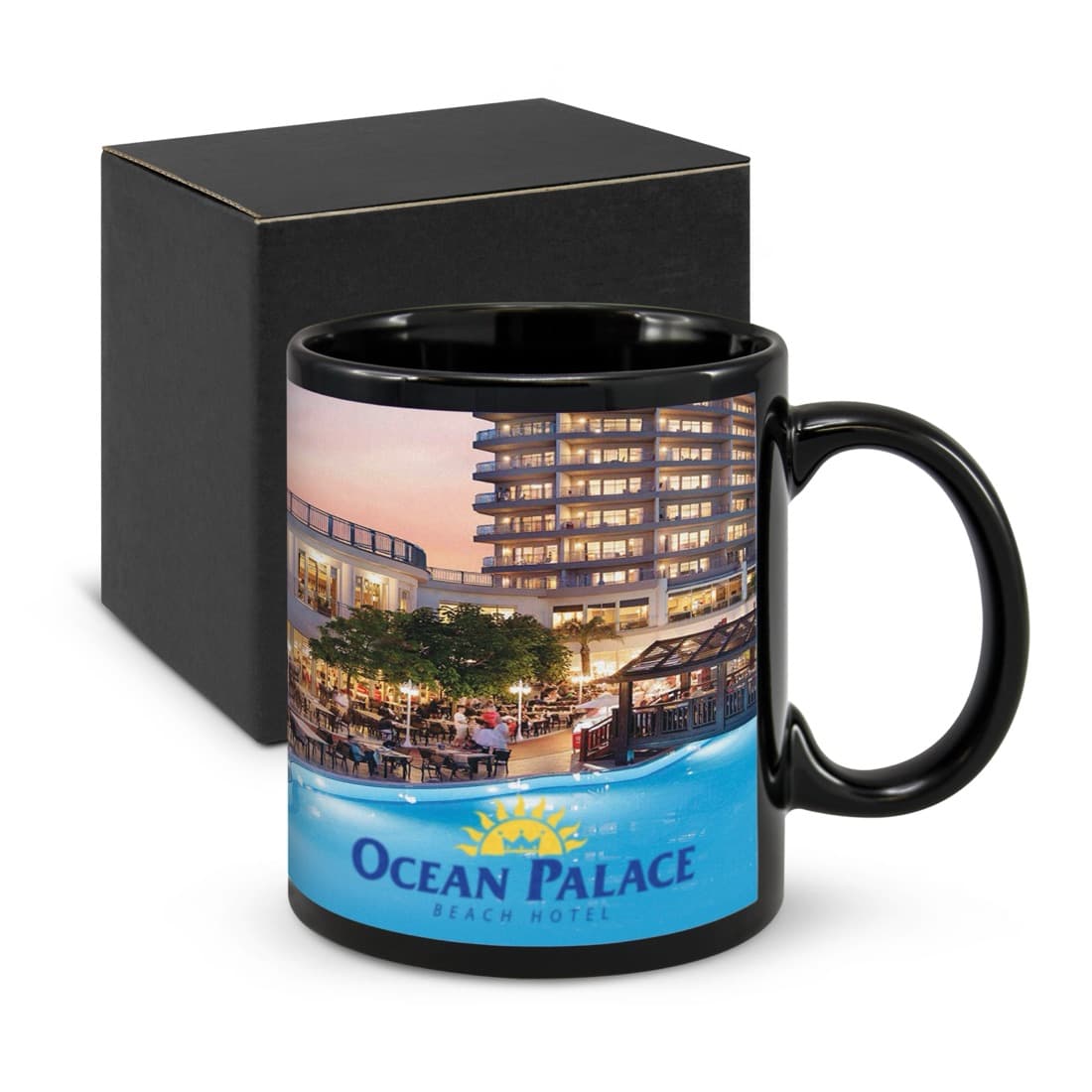
Ink turns to gas under heat and presses into the fibre. There's nothing sitting on the surface, so there's nothing to crack, peel or fade.
Best for
All-over prints and fully custom cut-and-sew garments
The detail
Advantages
- Can't crack, peel or fade, because the print is in the fibre
- Edge-to-edge colour and panel designs are possible
- Sponsor logos can sit exactly where they need to
Limitations
- Polyester and poly-blends only, not cotton or natural fibres
- 2–6 weeks, usually 4–6 for fully custom cut-and-sew
 Apparel
ScreenPrint PRO™
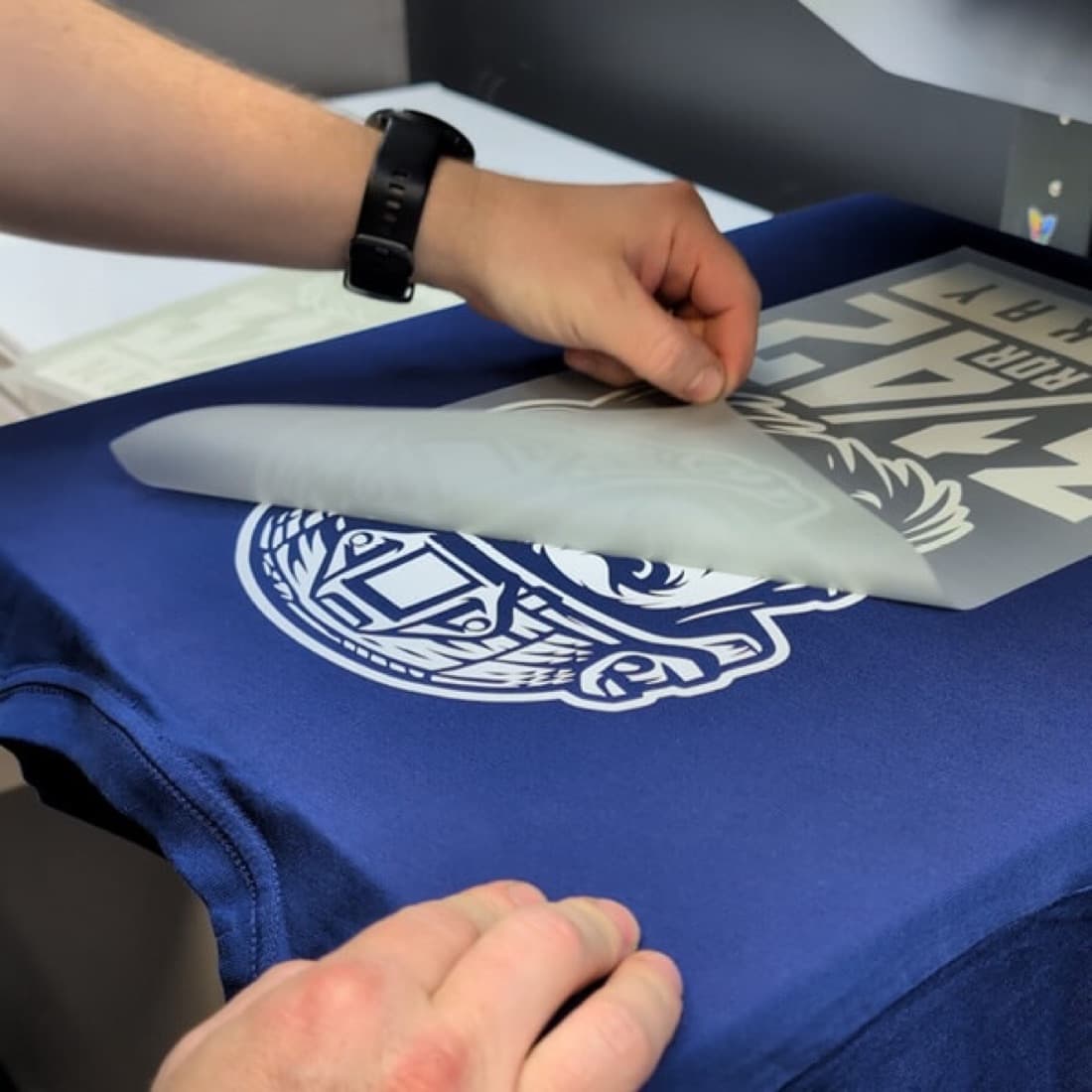
Real screen printing, without the screen. Genuine plastisol inks are screen printed onto a carrier and heat pressed into the garment, so you get the flat, dense, soft-in-the-hand finish of a screen print without sending stock away for weeks.
Best for
Runs where the screen print look and feel is the point
The detail
Advantages
- Genuine plastisol ink, so it sits in the fibre rather than on top
- Spot colours matched to Pantone
- Softer in the hand than most transfers, and it stays that way
Limitations
- Each colour carries its own setup, so it wants volume behind it
- Spot colour rather than photographic: not for gradients or images
- For most jobs DTF gets you there faster and with less setup
 Promotional
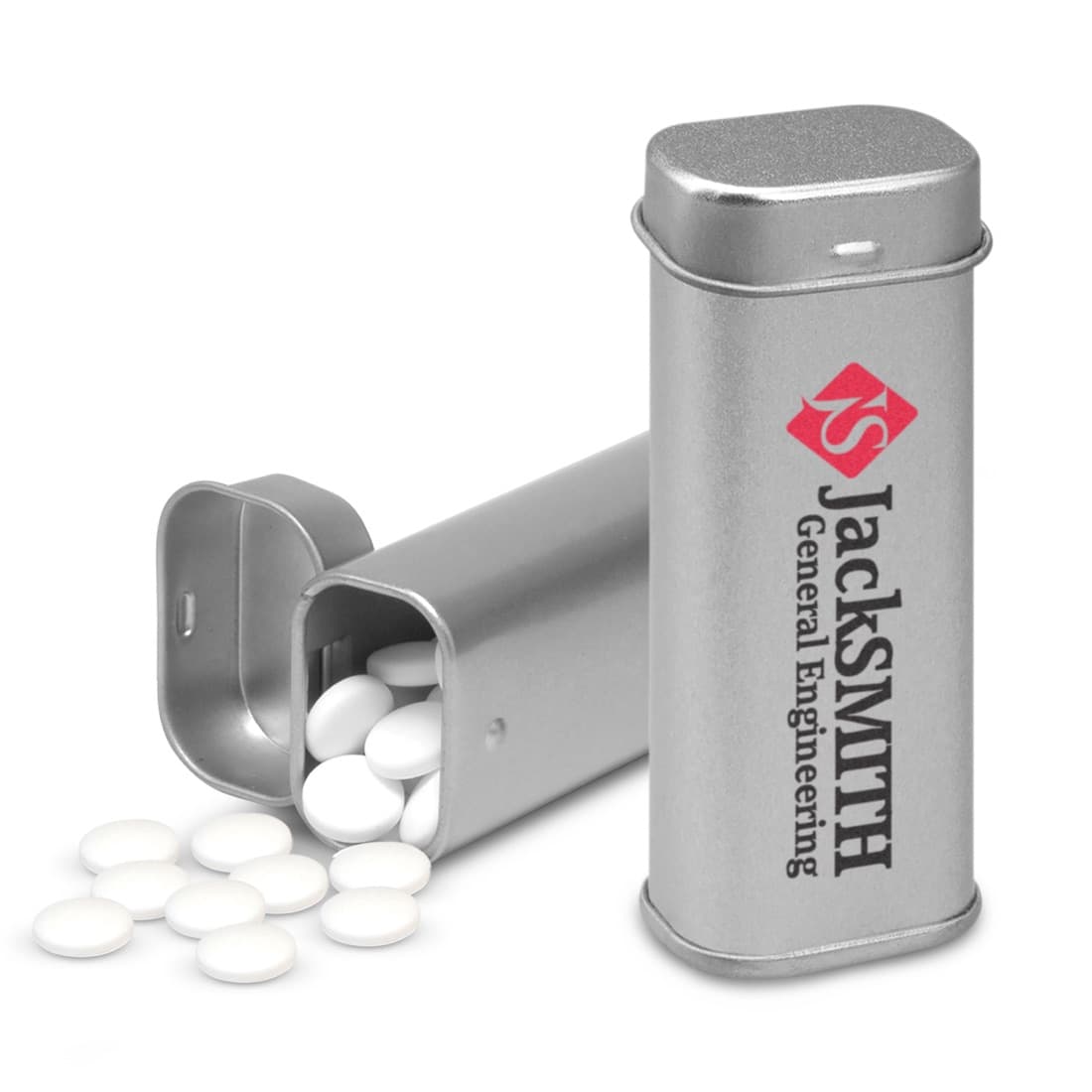
Pad Print
A silicone pad lifts your artwork off a laser-etched plate and presses it onto the product. It's one of the most widely used methods in promotional branding, because the pad flexes to follow curves and uneven surfaces other methods can't reach.
Best for
Pens, bottles, tools and anything curved or irregular
The detail
Advantages
- Prints cleanly on curved and uneven products
- Sharp detail down to 0.4mm, with 5pt minimum text
- Close PMS matches on white and light-coloured products
- Metallic gold and silver inks available
- A white under-base can be laid down first on darker products
- Many products take up to six colours in a single pass
Limitations
- Halftones don't reproduce consistently
- Can't print variable data such as individual names
- On darker products, PMS matches are approximate
- Each colour carries its own setup
- Some inks need to cure before the product can ship
- Neon and fluorescent inks aren't available
 Promotional
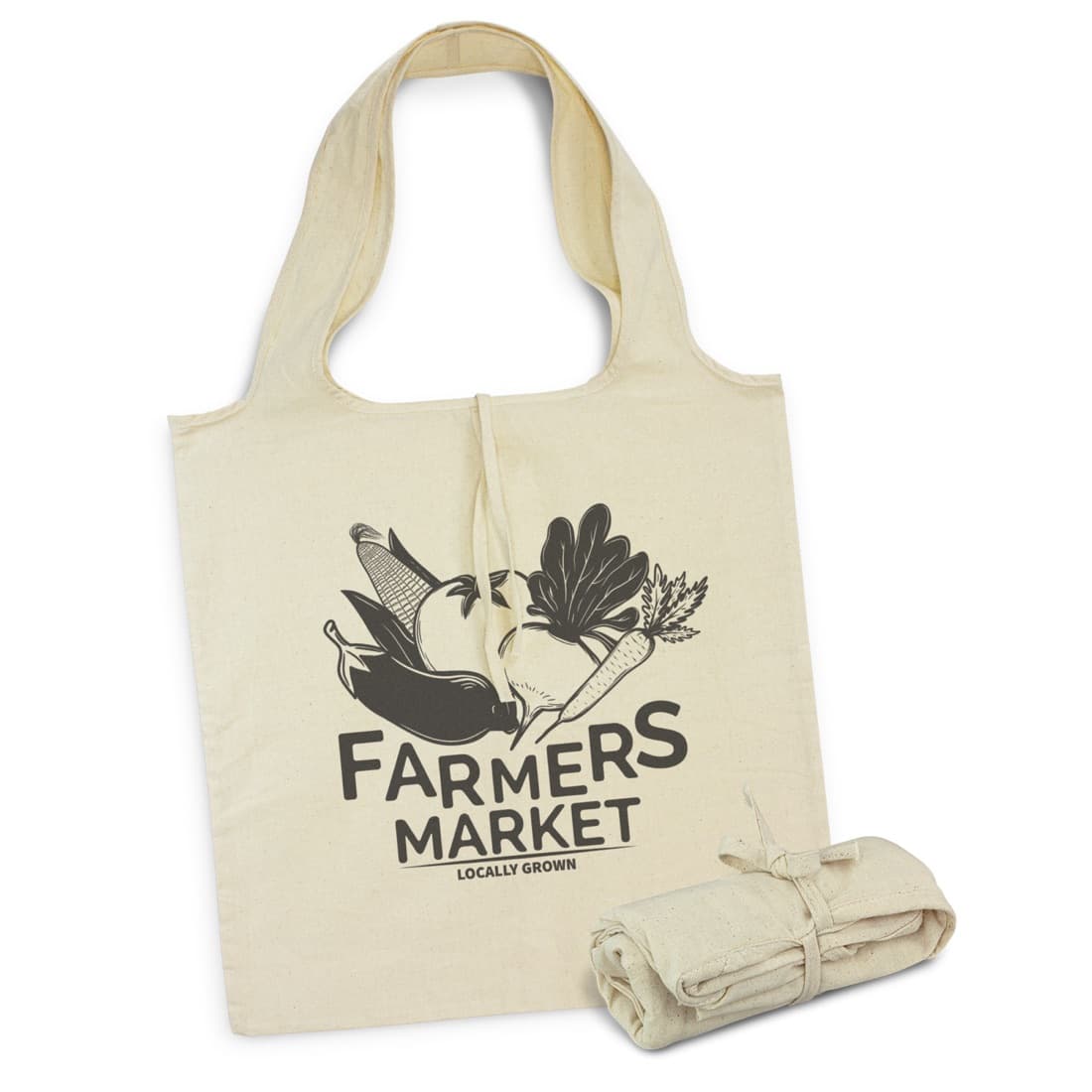
Screen Print
Ink is pushed through a fine mesh screen with a squeegee, one colour at a time. Dense, vivid coverage on flat products.
Best for
Bold, flat-colour artwork on flat surfaces and bags
The detail
Advantages
- Large print areas on flat products
- Close PMS matches on white and light-coloured products
- Most inks dry quickly, so orders can ship straight after printing
- Fluorescent, metallic gold and silver inks on select textiles
- Tight multi-colour registration, up to five colours on some products
Limitations
- PMS matches are approximate on darker products, where a white base usually helps
- Can't print variable data
- Each colour carries its own setup
 Promotional
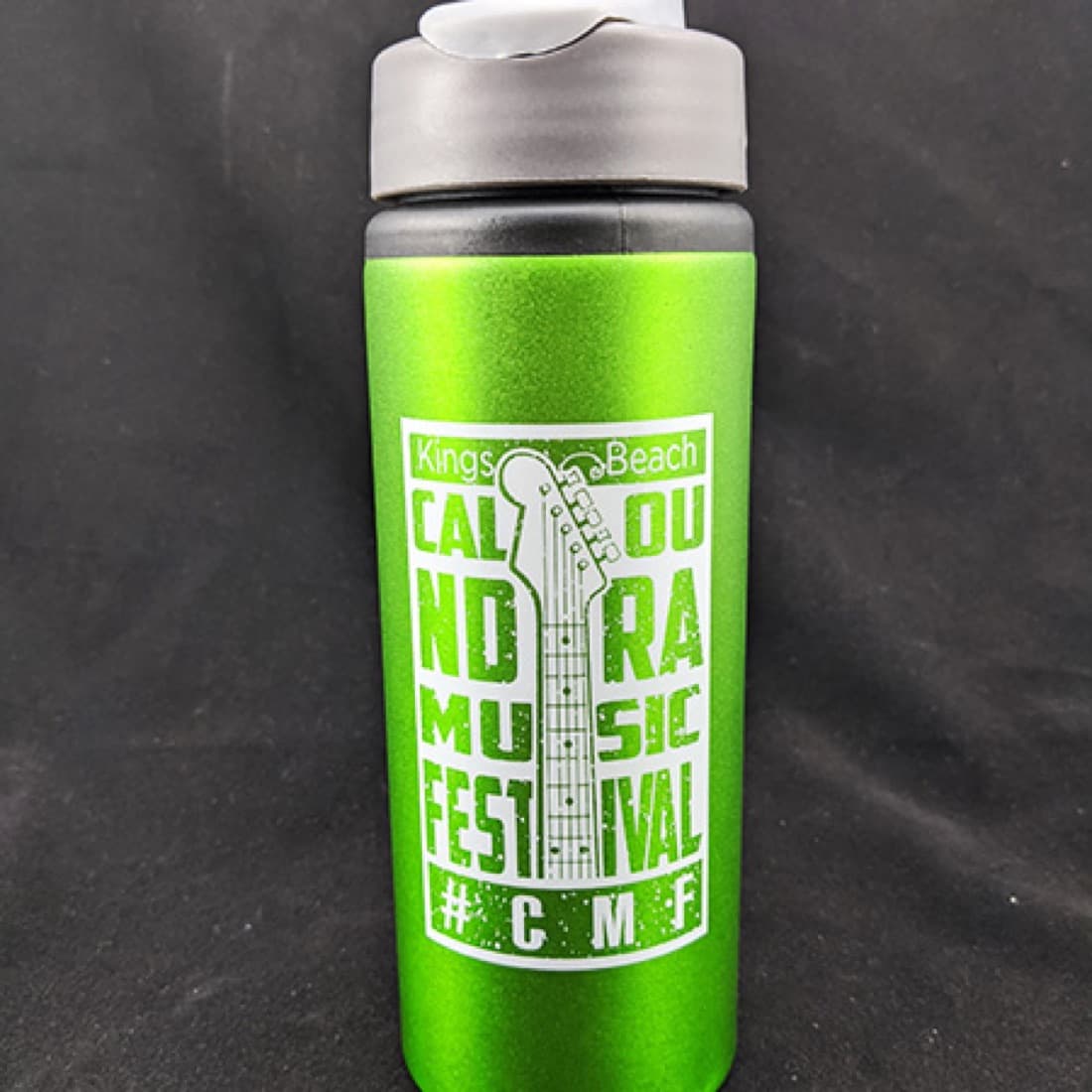
Rotary Screen Print
Screen printing applied continuously as the product turns, so a design can run around the item without a visible join.
Best for
Wrap-around designs on drinkware and cylindrical products
 Promotional
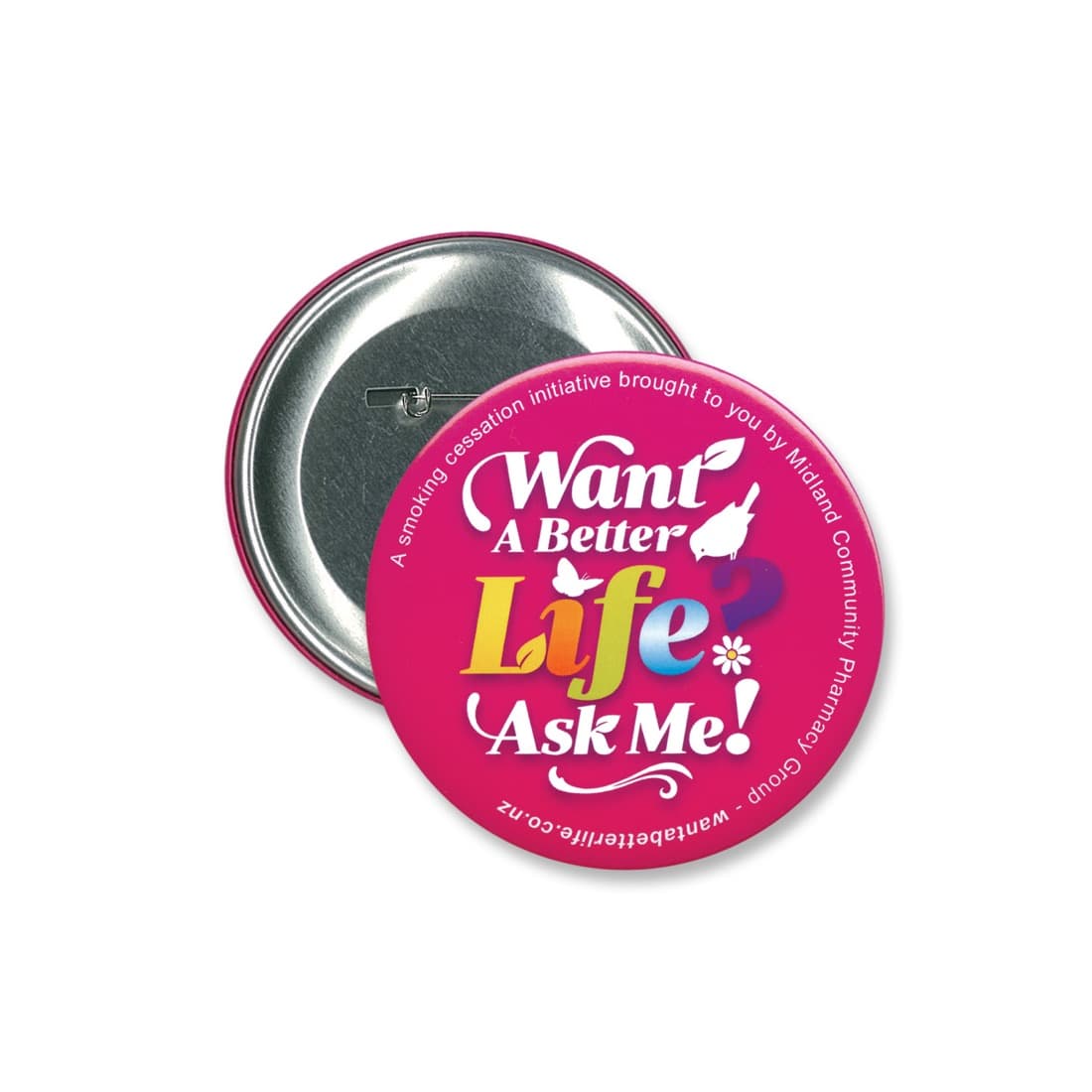
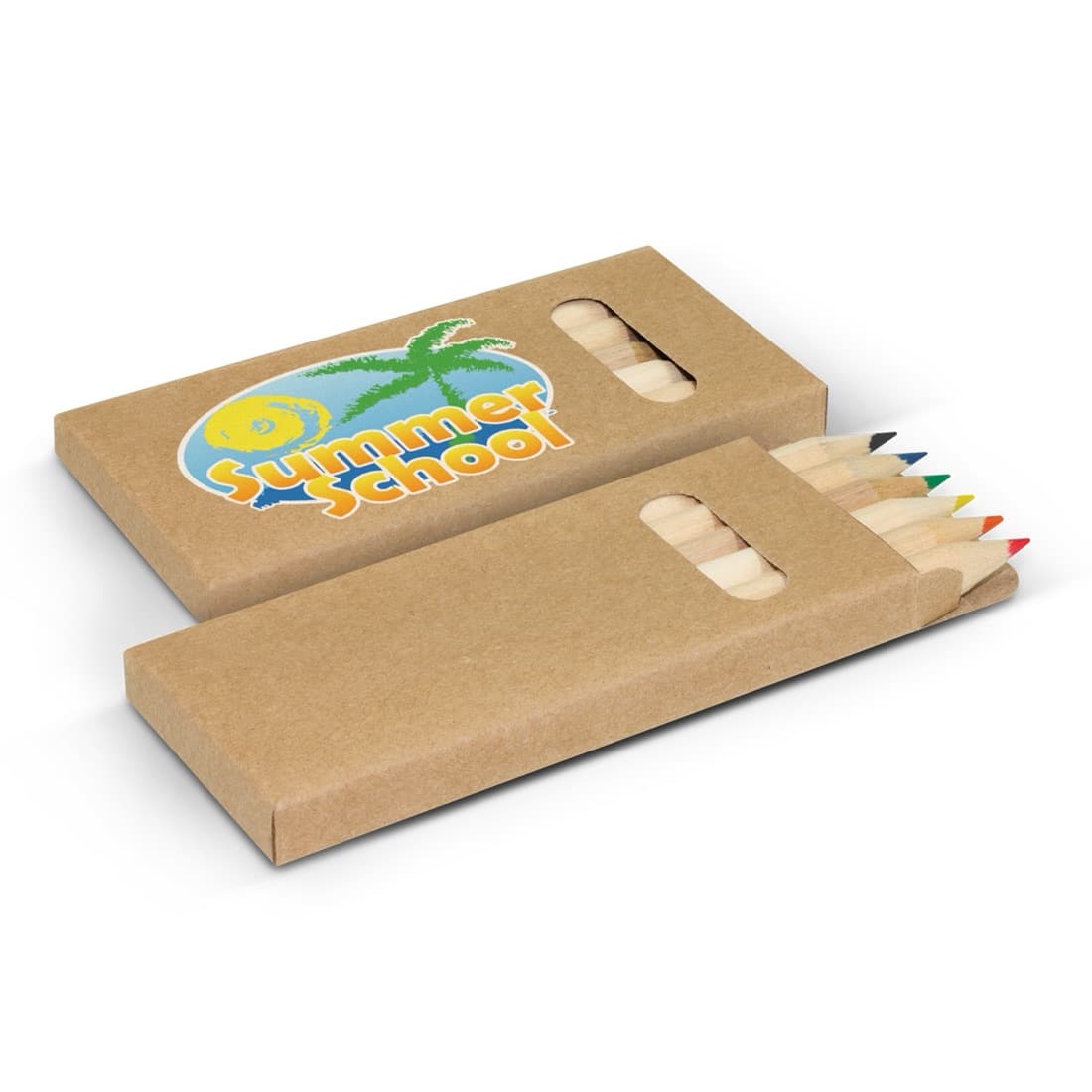
Digital Print
CMYK printing onto media such as paper, vinyl and magnetic material, then made up into the finished item. It's how labels, badges and fridge magnets are produced.
Best for
Badges, labels, magnets and custom shapes
The detail
Advantages
- Full colour, complex images and gradients all reproduce
- Variable data including individual names on select products
- One setup charge regardless of the number of colours
- Dries instantly, so orders can ship immediately
- Select products can be cut to custom shapes
- Edge-to-edge branding on certain products
Limitations
- Metallic, neon and fluorescent colours aren't available
- White can't be printed on kraft, clear, silver or gold stock
- Can't print on dark substrates, as white ink can't go underneath
 Promotional
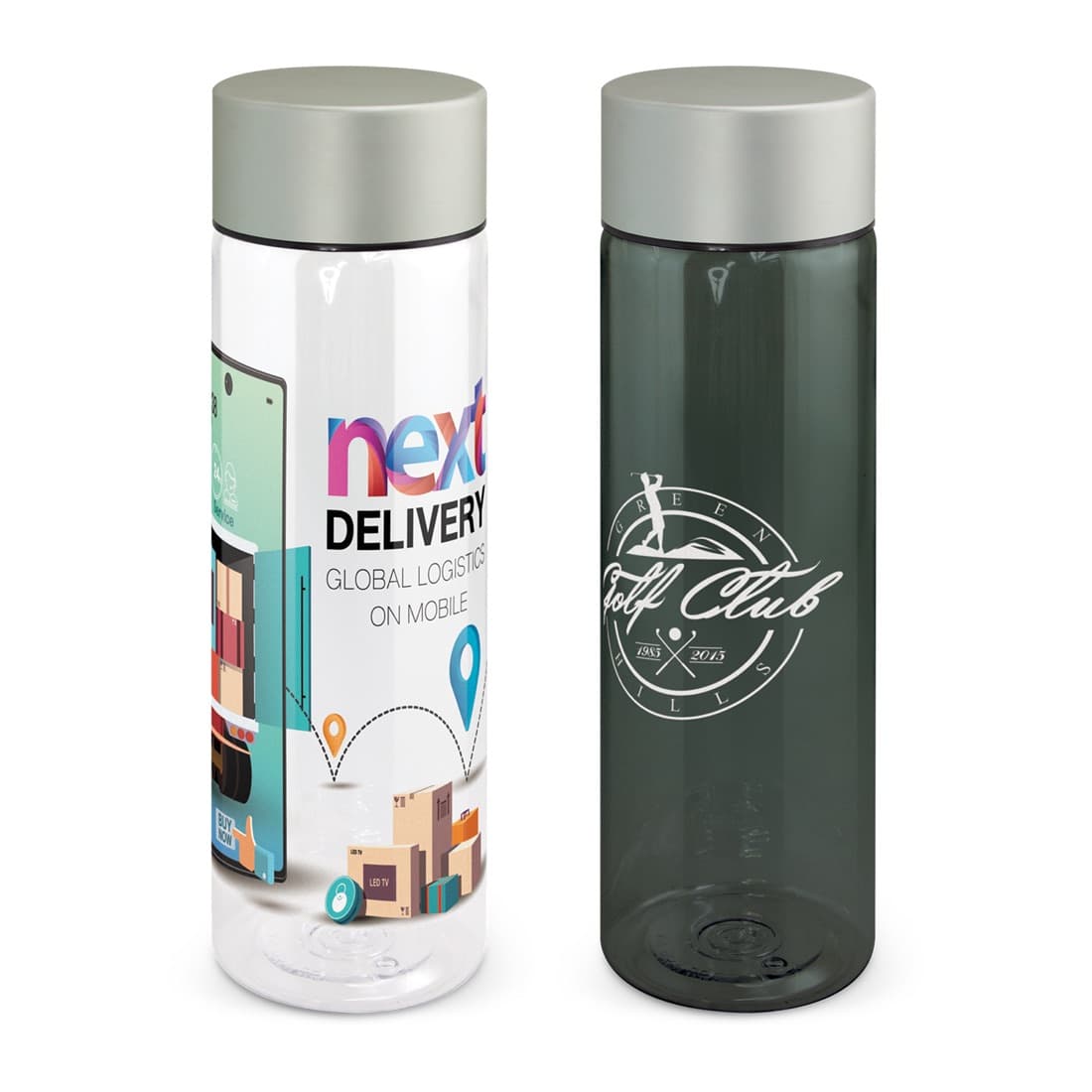
Direct Digital
Inkjet heads transfer ink straight onto the product itself, rather than onto a transfer or a label. It produces both full colour and closely matched spot colours on flat or gently curved surfaces.
Best for
Full-colour branding on flat and slightly curved products
The detail
Advantages
- A white ink layer can be laid under the artwork, so dark products print well
- Variable data including individual names on select products
- Dries instantly, so orders can ship immediately
- Larger print areas on many products, and it can print close to the edge
- One setup charge regardless of the number of colours
Limitations
- Metallic, neon and fluorescent colours can't be reproduced
- Branding areas are smaller on curved surfaces
- Larger print areas cost more
 Promotional
Rotary Digital Print
UV ink and a varnish coating applied from inkjet heads as the product rotates, producing detailed gloss artwork in full colour or closely matched spot colours.
Best for
Large, complex full-colour gloss prints on drinkware
The detail
Advantages
- Ideal for large or complex full-colour gloss prints
- Dry and ready to ship as soon as it's printed
- One setup charge regardless of the number of colours
- No loss of vibrancy on darker products
Limitations
- Production speed is limited, so lead times can run longer
- Metallic, neon and fluorescent colours can't be reproduced
- The print doesn't wrap fully, so there's a small gap where it starts and ends
- More expensive than most other options
Prism Digital Print
A UV direct-to-film process using CMYK plus white and varnish. The ink is printed onto film, cured under UV light, laminated, then applied to the product like a sticker. No heat press or powders involved.
Best for
Hard surfaces: tech cases, folios, notebooks and gift items
The detail
Advantages
- Vivid full colour with a gloss finish
- Long-lasting, and resistant to scratching and fading
- Works on most hard surfaces
- Ideal for personalisation and variable data, including names and numbering
- One setup charge regardless of the number of colours
- Ships straight after printing
Limitations
- Not suitable for soft or flexible products
- Metallic, neon and fluorescent colours can't be reproduced
- Detail is advised no finer than 0.8mm
- Not suitable for gradients fading out to transparency
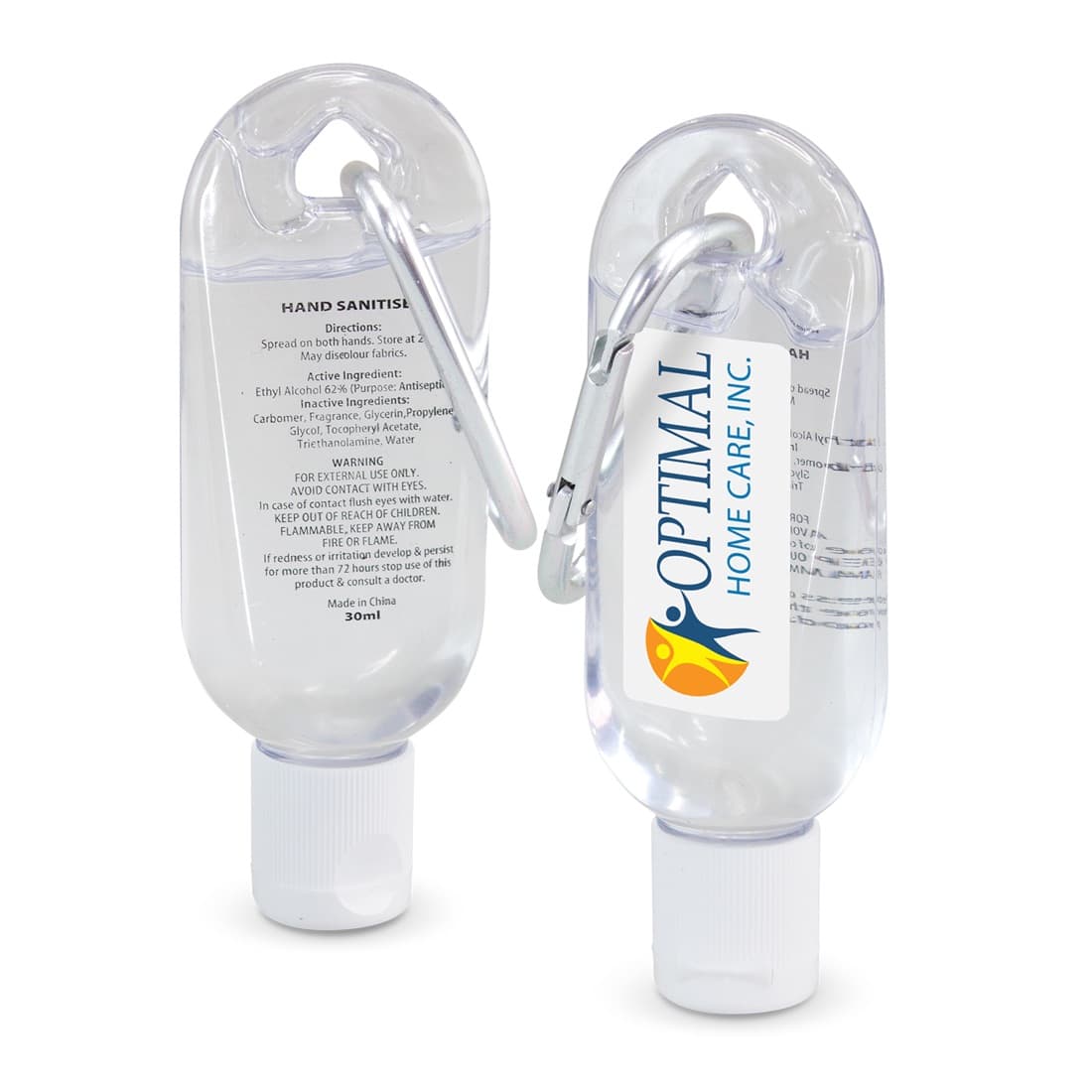
Silicone Digital Print
A CMYK plus white digital process formulated specifically for silicone, which most inks won't bond to properly.
Best for
Silicone drinkware, lids, bands and accessories
The detail
Advantages
- Crisp, clear, high-definition artwork
- Durable and flexible, and hand washable
- A white layer can go under the artwork, so dark products print well
- Full colour images and approximate spot colour
- Matt finish that doesn't crack or fade with typical use
- One setup charge regardless of the number of colours
Limitations
- Metallic, neon and fluorescent colours can't be reproduced
- Can't print variable data
- Detail advised no finer than 0.7mm
 Promotional
Digital Label
A digitally printed adhesive label applied to the product. It's the route for items that genuinely can't be branded any other way.
Best for
Products whose surface or coating resists every direct method
The detail
Advantages
- Vivid full-colour images, and closely matched spot colour branding
- Variable data including individual names
- One setup charge regardless of the number of colours
- Edge-to-edge branding is achievable
- Can be cut to custom shapes
Limitations
- Metallic and neon or fluorescent colours aren't available
- White can't be printed on clear, silver or gold stock
Digital Packaging Print
A single-pass CMYK digital print onto packaging materials, so the box carries the brand as well as the product inside it.
Best for
Gift sets, client gifts and anything presented in a box
The detail
Advantages
- Full colour, complex images and gradients all reproduce
- Variable data including names on select products
- One setup charge regardless of the number of colours
- Dries instantly, so orders ship immediately
- Uses dye, so there's no ink build-up
Limitations
- Closely matched PMS, RGB, metallic and neon colours can't be produced
- Can't print on dark substrates, as white ink can't go underneath
- Edge-to-edge branding and large block colours aren't achievable
 Promotional
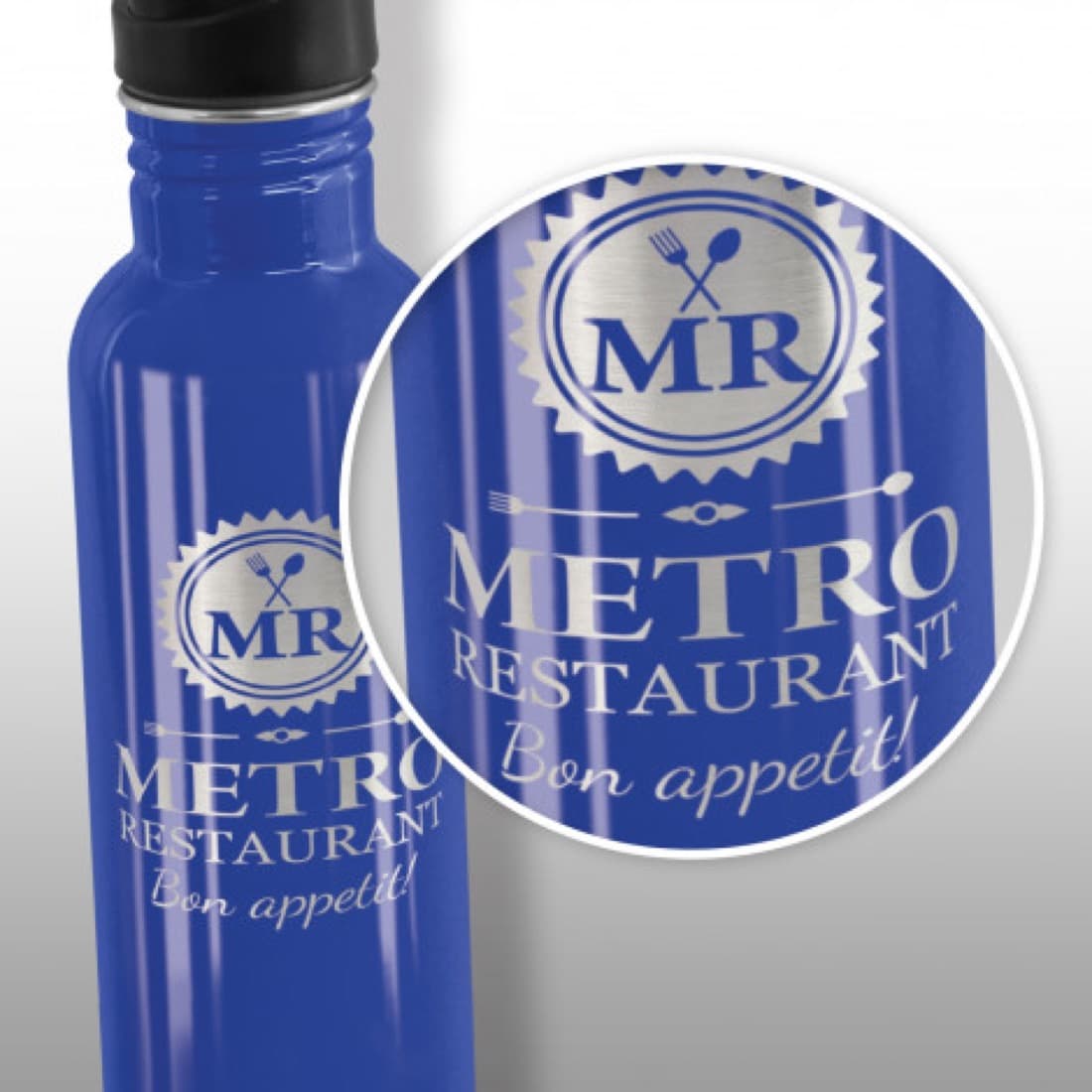
Laser Engraving
A laser engraves your artwork into the surface of the product. Different materials engrave to different finishes, so a pre-production sample is worth requesting when the result matters.
Best for
Metal, timber, glass, leather and bamboo
The detail
Advantages
- Higher perceived value than most other forms of branding
- The branding becomes part of the surface, and is permanent
- Large branding areas available on curved products
- Variable data including individual names on select products
- Ships straight after engraving
Limitations
- Fine detail can be lost on smaller products such as pens
- Single tone: you get the material's own colour, not your brand colour
 Promotional
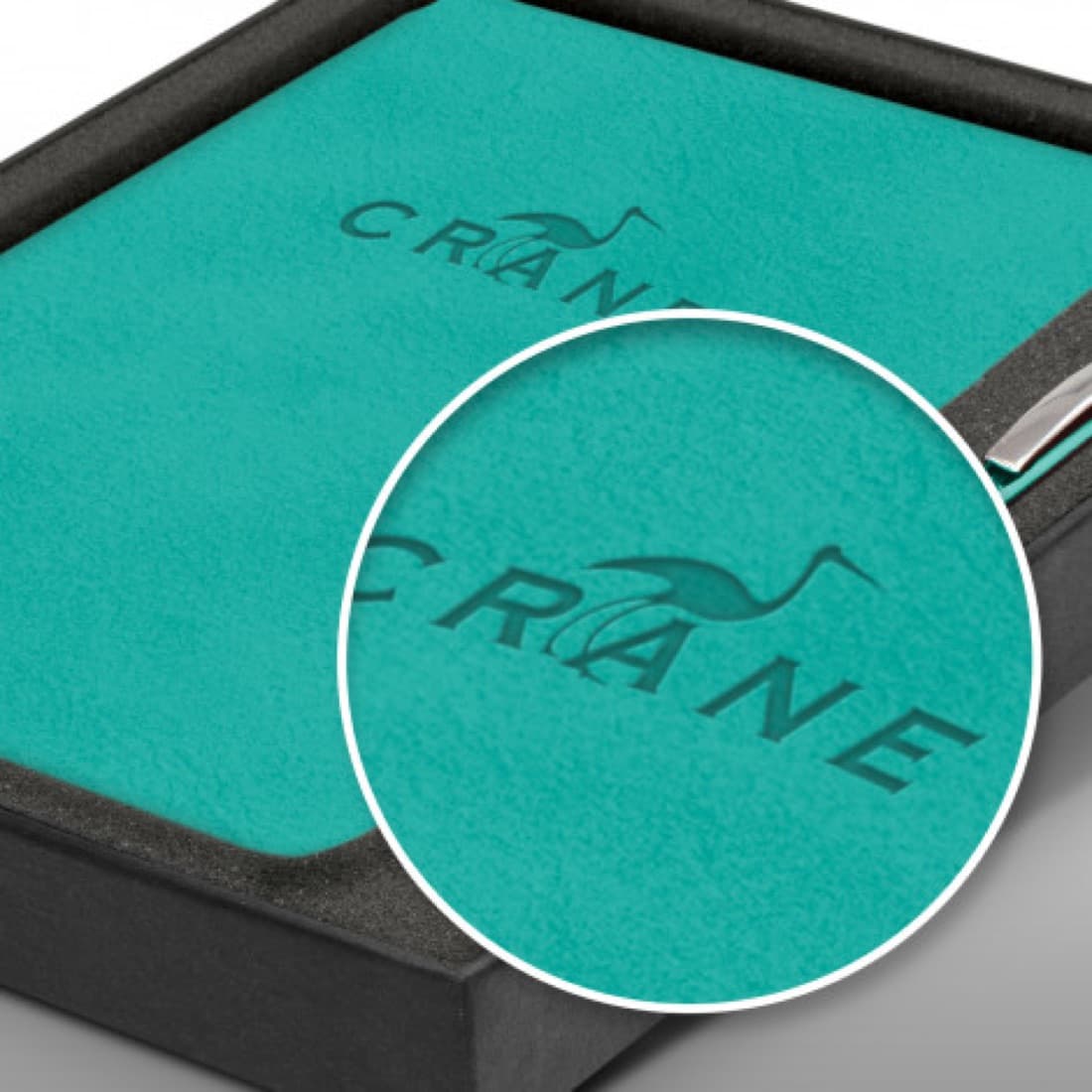
Debossing
Often called blind debossing. A heated custom metal plate is pressed firmly onto the product, leaving an impression of your artwork with no ink at all.
Best for
Leather and PU notebooks, folios and journals
The detail
Advantages
- Higher perceived value than most other forms of branding
- The branding becomes part of the product, and is permanent
- Ships as soon as heat pressing is finished
- Certain products produce a two-tone finish
Limitations
- Can be very subtle and harder to see, especially on textured materials
- Can't print variable data such as individual naming
- Minimum line thickness 0.4mm
Thermo Debossing
Debossing with additional heat, available on certain products, producing a distinctive two-tone finish rather than a plain impression.
Best for
Selected soft-cover notebooks and folios
The detail
Advantages
- A two-tone finish that stands out more than a plain deboss
- Higher perceived value than most other forms of branding
- The branding becomes part of the product, and is permanent
- Ships as soon as heat pressing is finished
Limitations
- Only available on certain products
- Can't print variable data such as individual naming
- Minimum line thickness 0.4mm
Hot Stamping
A heated custom metal plate is pressed onto the product to create an indented design, leaving a permanent impression. Often used on timber.
Best for
Timber boards, leather goods and presentation items
The detail
Advantages
- Higher perceived value than most other forms of branding
- The branding becomes part of the product, and is permanent
- Ships as soon as heat pressing is finished
- Certain products produce a two-tone, contrasting finish
Limitations
- Can't print variable data such as individual naming
- Large block artwork can produce an inconsistent result
- Minimum line thickness 0.4mm
Foil Printing
Metallic foil applied to a flat surface using heat and pressure. Modern digital foiling prints straight from the file, with no plates or stamps, which makes it more economical than traditional foiling. Available in gold, silver and copper.
Best for
Notebooks, stationery and premium packaging
The detail
Advantages
- Higher perceived value than most other forms of branding
- Ships as soon as printing is finished
- Offers variable data such as individual naming
- The foil stays flexible, so it suits soft-cover notebooks
Limitations
- Detailed artwork can get lost on textured substrates
- The foil inherits the texture of what it's applied to, so the finish varies between soft-touch PU and standard PU
- Minimum line thickness 0.4mm on smooth substrates, 1mm on textured
 Promotional
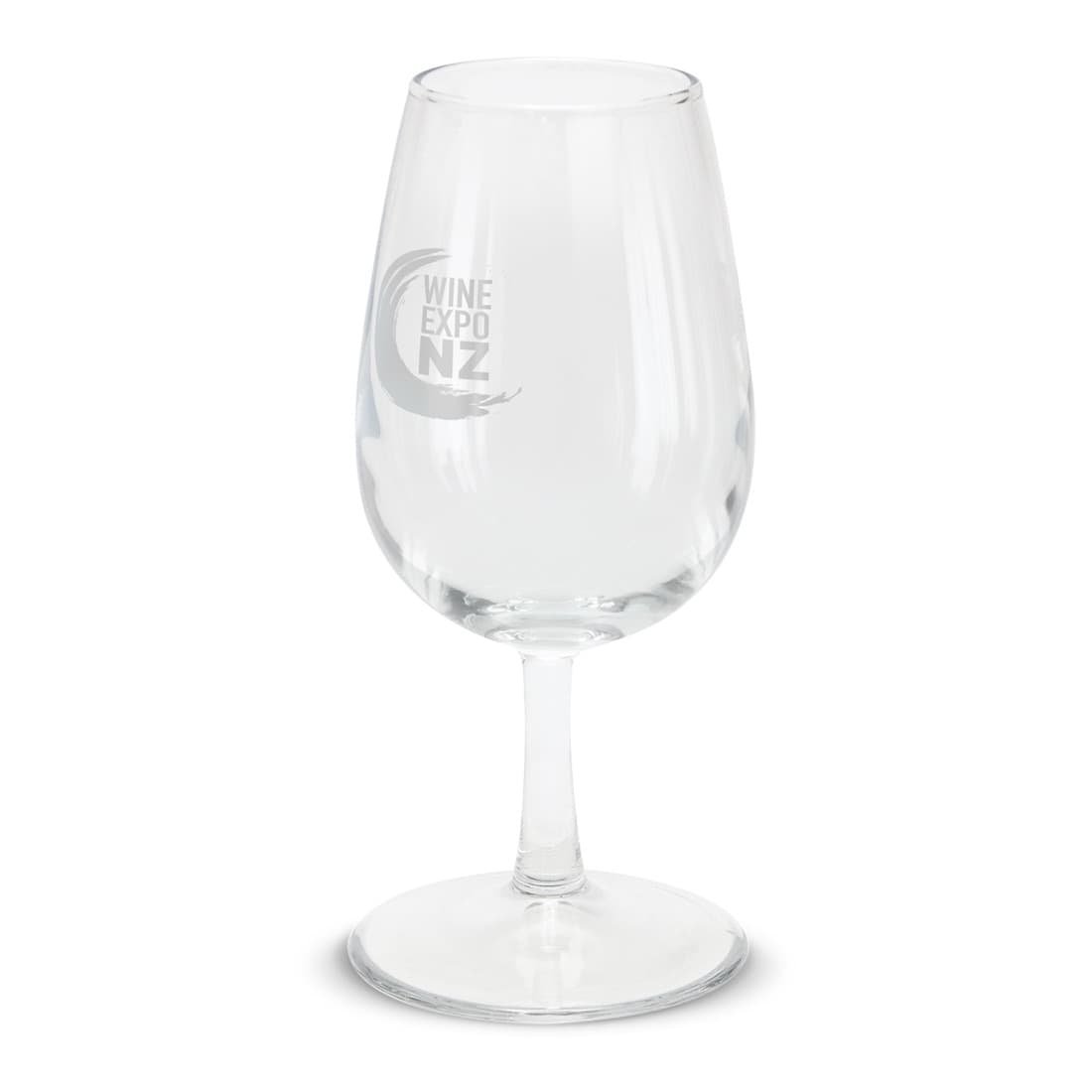
Imitation Etch
A specialist ink applied by pad or screen print that produces the frosted look of etched glass, without the cost of real etching.
Best for
Glassware, barware and drink bottles
The detail
Advantages
- Much more affordable than real etching
- Can brand curved and uneven products
- A subtle finish with the higher perceived value of etching
Limitations
- Halftones can't be reproduced consistently
- Branding areas are smaller on curved surfaces
- Needs a curing period before the product can ship
- Can't print variable data
Faux Embroidery
A Colourflex® Transfer with your artwork digitised to create texture and depth that mimics traditional embroidery, in unlimited colours.
Best for
Detailed or multi-colour artwork that won't stitch cleanly
The detail
Advantages
- Durable, flexible and machine washable, with a soft-touch matte finish
- Water-based inks
- One setup charge regardless of the number of colours
- Ships straight after printing
- Works across a wider range of products and positions than stitching
- Small prints come out far better than conventional embroidery manages
Limitations
- Pantone matching isn't available, artwork is matched to the closest thread colour with 3D shading that affects the outcome
- Not suitable for fine detail, bold larger artwork gives the most realistic result
- As the design gets smaller, stitch clarity and detail reduce
- Metallic colours aren't available
 Promotional
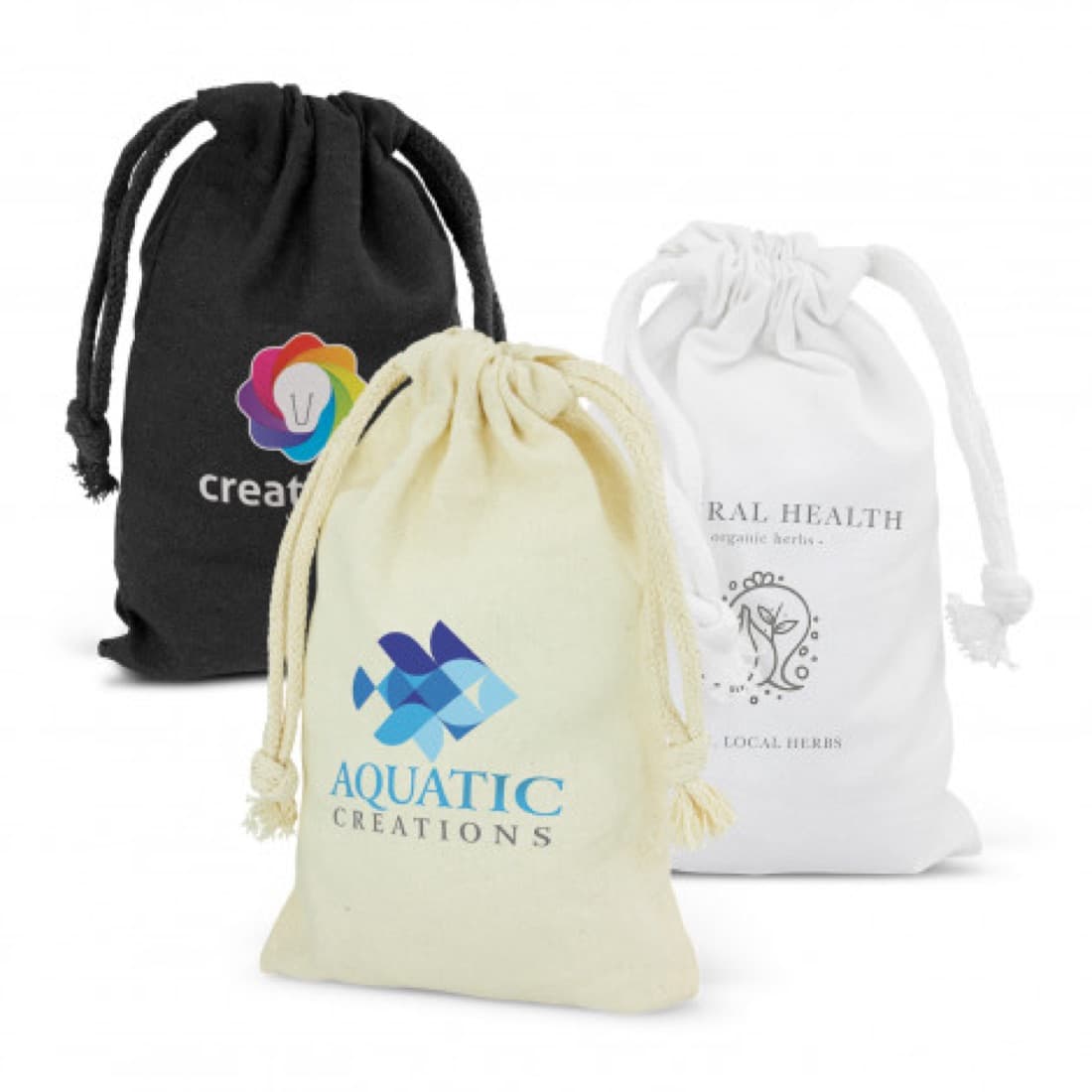
Colourflex Transfer
A full-colour transfer applied under heat, giving clean edges and accurate colour on fabric. It's the base process Faux Embroidery is built on.
Best for
Full-colour logos on bags, towels and soft goods
The detail
Advantages
- Durable, flexible and machine washable
- One setup charge regardless of the number of colours
- Handles fine detail and clean edges
DigiFlex Transfer
Direct-to-film printing with water-based inks, applied to garments and fabric items. The design stays soft and flexible through repeated washing.
Best for
Personalised apparel and fabric items in smaller quantities
The detail
Advantages
- Full colour, and takes names, job titles and other variable data
- Low setup, which makes shorter runs viable
- Stays soft and comfortable after many washes
Puff Print
A specialty ink that expands as it cures, leaving a raised, three-dimensional finish you can feel as well as see. Pairing it with a single-colour screen print is the usual way to bring in a second colour.
Best for
Bold logos and large type on hoodies, tees and heavyweight garments
The detail
Advantages
- Raised 3D texture that stands out visually and physically
- A more premium, retail-style appearance
- Adds perceived value to branded merchandise
Limitations
- Single colour only
- Needs simple artwork with thicker line weights and generous spacing
- Fine lines, small text and gradients don't work
PromotionalSublimation Print
The print goes into the fibre rather than onto it, so it can't crack or peel.
Best for
All-over coverage on polyester items
The detail
Limitations
- Polyester and poly-blends only
 Promotional
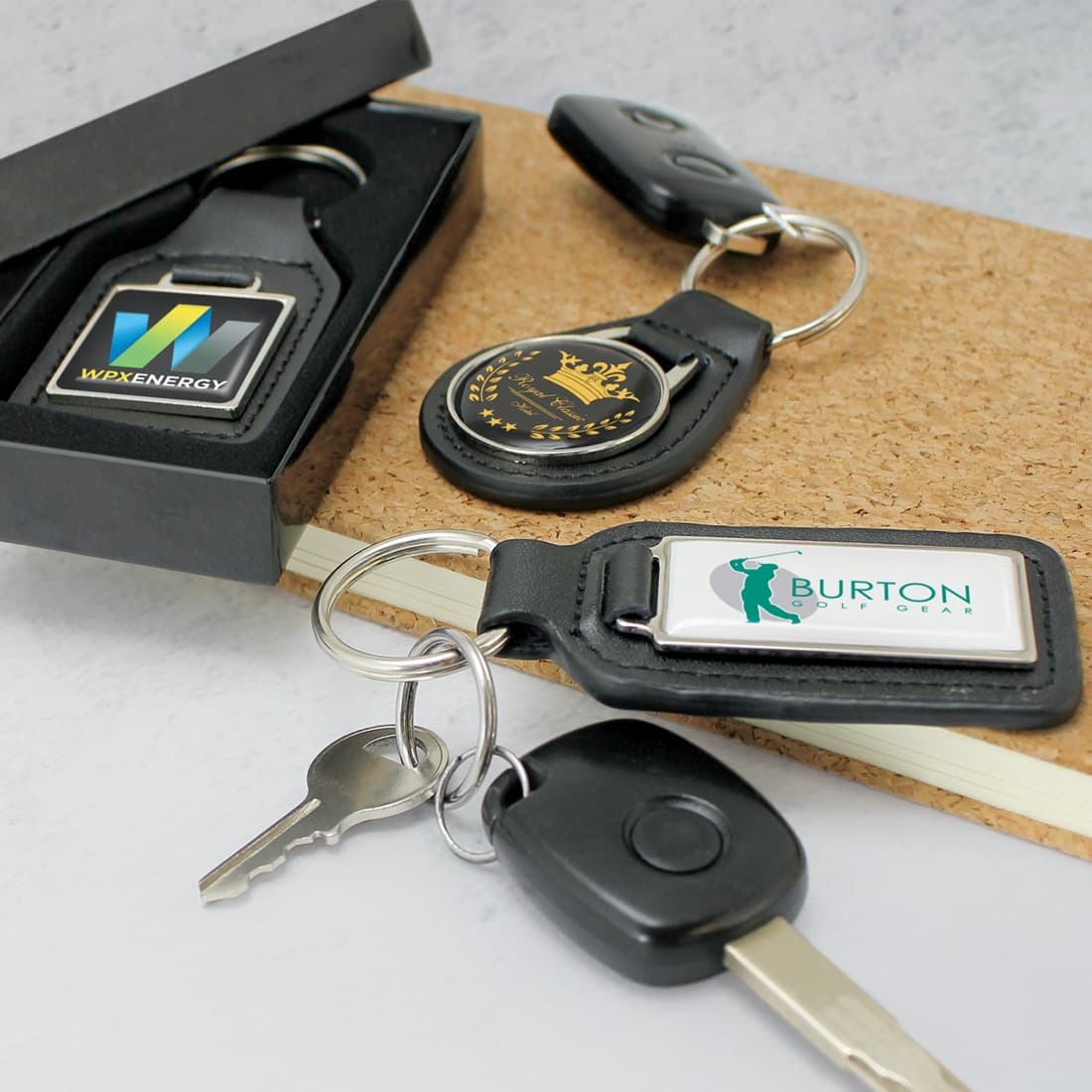
Resin Coated Finish
Artwork is printed in CMYK onto a strong-adhesive vinyl, then coated in crystal-clear resin. Once dry the finished decal is applied to the product and the adhesive forms a permanent bond.
Best for
Keyrings, badges, magnets and small branded items
The detail
Advantages
- Vivid full-colour images, and closely matched spot colour branding
- A 3D effect that noticeably lifts the perceived value of a product
- Variable data including individual names on select products
- Edge-to-edge branding across the resin coated area
- One setup charge regardless of the number of colours
Limitations
- Larger print areas cost more
- White, metallic gold, silver and neon colours can't be printed
- The resin needs a day to cure before the product can ship
PromotionalOffset Print
Ink is transferred from a plate to a rubber blanket and then onto the stock, which is how most printed paper is produced. On promotional products it turns up where the branded surface is paper or card rather than the item itself - an air freshener, a printed insert, a card sleeve.
Best for
Card and paper products branded across the whole face
The detail
Advantages
- Full colour across the entire printable face
- Photographic images and fine detail reproduce cleanly
- Consistent colour across a long run
Limitations
- Only suits flat paper and card, not the product itself
- Plates carry a setup, so it suits volume rather than small runs
- Artwork needs to be supplied to the template
Full-colour digital (CMYK)
The standard for business cards, flyers, posters and menus. Sharp, fast and economical across short and medium runs.
Best for
Most paper stock printing
The detail
Limitations
- We print CMYK, so send Pantone references if brand colour is critical
Specialty finishes
Gold metallic ink and clear accents applied over the printed piece to pick out a logo or a detail.
Best for
Deluxe business cards and premium collateral
Large format
High-resolution printing at size, for artwork that has to read from across a room rather than across a desk.
Best for
Posters and display
Cut vinyl and substrate print
Printed or cut onto vinyl and rigid substrates for stickers, labels and signage. Material is matched to where it's going, indoor or out.
Best for
Stickers, labels and signage
The one that runs almost everything
DTF: full colour, fine detail, any run size
Most garment printing used to involve a trade. Screen printing is sharp and durable but needs volume behind it and charges per colour. Vinyl is fast but can't do a photograph.
DTF doesn't make you choose. The design is printed onto film and transferred under heat, so there's no colour limit, one setup no matter how many colours are in the artwork, and no run size it doesn't suit. It's the method behind the overwhelming majority of the printed garments that leave here.
Where something else fits: names and numbers go on as vinyl. If you specifically want the flatter, denser screen print feel, we screen print onto transfer, and that suits larger runs of one design. And where a uniform is being laundered commercially and hot for years, UltraColour™ is the more durable transfer, rated to 60°C and tested beyond fifty washes.
How long it usually takes
Every one of these starts from artwork approval, not from when the order is placed.
These are typical rather than a ceiling, and every date is confirmed before you commit. Plenty of jobs move faster. If you are working to a deadline, tell us early and we'll tell you straight away whether it's achievable.
Need a handful of shirts quicker than that? Our sister brand, Tiddys, can complete orders in as little as three days when needed, with no minimum order quantities.
Apparel
For garments we embroider or print in-house, in Fyshwick.
- Priority
- 5–7 business days
- Standard
- 7–10 business days
- Priority
- 3–5 business days
- Standard
- 5–7 business days
Signage & display
- Signage & display
- Confirmed with your quoteit depends on the material, the size and the finishing more than anything else, so we give you a date once we have seen the job rather than a number that might not hold
Promotional products
- Promotional products
- 1–4 weeksit depends on the product and the branding method more than anything else. Indent and internationally sourced items run 2–6 weeks
A note on setup
Most decorated orders carry some setup - preparing artwork for production, digitising a logo for embroidery, or getting a machine ready for a particular job. It's usually a one-off: once your artwork is prepared and on file, repeat orders reuse it.
Where setup applies, it's itemised on your quote before you commit to anything. You won't find it as a surprise on an invoice.
Custom branding carries small production tolerances on colour, sizing, placement and spoilage. What they are.
Tell us the date. We'll tell you how it's possible.
Most quotes come back the same business day. Give us quantity, branding and deadline, and we can usually map out a way to get there.